Stress Level PSS-10

Measure your perceived stress with the scientifically validated PSS-10 questionnaire. Get your score, subscale breakdown, and personalized recommendations.

The Perceived Stress Scale (PSS-10) is the most widely used psychological instrument for measuring the perception of stress. Developed by Sheldon Cohen in 1983, this 10-item questionnaire evaluates how unpredictable, uncontrollable, and overloaded respondents find their lives over the past month. It produces a total stress score plus two subscales: Perceived Helplessness and Perceived Self-Efficacy; helping you understand both the sources and buffers of your stress.

Loading...
Your data stays in your browser
Tutorial

How to Use the PSS-10 Stress Level Test

1
1

Answer Each Question Honestly

Read each question carefully and select the response that best reflects how often you have felt that way during the last month.

2
2

Navigate Through the Questionnaire

Use the Next button to advance and the Back button to review previous answers. All 10 questions must be answered to get your results.

3
3

Review Your Results

After the last question, you will see your total score, stress category, subscale breakdown (Helplessness vs. Self-Efficacy), and tailored recommendations.

Guide

Complete Guide to the Perceived Stress Scale

Understanding Perceived Stress

Perceived stress differs from objective stress. Two people facing the same deadline may experience very different stress levels based on their coping resources, personality, and past experiences. The PSS-10 captures this subjective experience; measuring not what happens to you, but how stressful you perceive your situation to be. This makes it a powerful tool for understanding your unique stress response.

The Science Behind the PSS-10

Developed by Sheldon Cohen, Tom Kamarck, and Robin Mermelstein in 1983, the PSS has been validated across hundreds of studies and translated into over 25 languages. The 10-item version (PSS-10) shows the best psychometric properties with a two-factor structure: Perceived Helplessness and Perceived Self-Efficacy. Cronbach's alpha typically ranges from 0.78 to 0.91 across populations.

Reverse Scoring Explained

Items 4, 5, 7, and 8 ask about positive experiences (feeling confident, things going your way, being in control, feeling on top of things). These are reverse-scored because someone experiencing less stress would answer these positively. The reverse scoring (4 minus the answer) converts positive responses into low stress scores, ensuring all items contribute consistently to the total.

Using Your Results for Change

Your PSS-10 score is most valuable as a tracking metric over time. A single score gives you a snapshot, but monthly assessments reveal trends. If your Helplessness subscale is high but Self-Efficacy is also high, you may be facing genuinely difficult circumstances while coping well. If Self-Efficacy is low, building coping skills through therapy, mindfulness, or social support may be the most effective intervention.
Examples

Worked Examples

Example: Low Stress Profile

Given: Answers are 1, 0, 1, 3, 4, 0, 3, 4, 1, 0 (low negative, high positive responses).

1

Step 1: Non-reversed items (1, 2, 3, 6, 9, 10): 1 + 0 + 1 + 0 + 1 + 0 = 3.

2

Step 2: Reversed items (4, 5, 7, 8): (4-3) + (4-4) + (4-3) + (4-4) = 1 + 0 + 1 + 0 = 2.

3

Step 3: Total = 3 + 2 = 5. Helplessness = 3/24. Self-Efficacy = 2/16.

4

Step 4: Score 5 falls in 0-13 range = Low Perceived Stress.

Result: PSS-10 Score = 5/40 (Low Perceived Stress).

Example: High Stress Profile

Given: Answers are 4, 3, 4, 0, 1, 4, 0, 1, 3, 4 (high negative, low positive responses).

1

Step 1: Non-reversed items (1, 2, 3, 6, 9, 10): 4 + 3 + 4 + 4 + 3 + 4 = 22.

2

Step 2: Reversed items (4, 5, 7, 8): (4-0) + (4-1) + (4-0) + (4-1) = 4 + 3 + 4 + 3 = 14.

3

Step 3: Total = 22 + 14 = 36. Helplessness = 22/24. Self-Efficacy = 14/16.

4

Step 4: Score 36 falls in 27-40 range = High Perceived Stress.

Result: PSS-10 Score = 36/40 (High Perceived Stress).

Use Cases

Typical Use Cases

Monthly Stress Check-In

Take the PSS-10 at the start of each month to track how your perceived stress changes over time. Comparing scores month-over-month helps you identify seasonal patterns, work-related peaks, and the effectiveness of lifestyle changes you are implementing.

Therapy Progress Tracking

Mental health professionals often use the PSS-10 as a baseline and progress measure. Take the assessment before starting therapy, then retake it every 4 to 6 weeks to quantify improvements in your perceived stress and share concrete data with your therapist.

Workplace Wellness Programs

HR teams and wellness coordinators can use aggregate PSS-10 scores (anonymously) to gauge organizational stress levels, identify departments under heavy pressure, and measure the impact of wellness initiatives like meditation sessions or flexible work policies.

Frequently Asked Questions

?What is the PSS-10?

The Perceived Stress Scale (PSS-10) is a 10-item questionnaire developed by Sheldon Cohen in 1983. It is the most widely used psychological instrument for measuring how stressful you perceive your life to be over the past month.

?How is the PSS-10 scored?

Each question is scored from 0 (Never) to 4 (Very Often). Items 4, 5, 7, and 8 are reverse-scored because they measure positive experiences. The total score ranges from 0 to 40, with higher scores indicating higher perceived stress.

?What do the score ranges mean?

Scores of 0 to 13 indicate low perceived stress, 14 to 26 indicate moderate perceived stress, and 27 to 40 indicate high perceived stress. These cutoffs are based on established research norms.

?What are the Helplessness and Self-Efficacy subscales?

The PSS-10 has two subscales. Perceived Helplessness (items 1, 2, 3, 6, 9, 10) measures how overwhelmed and out of control you feel. Perceived Self-Efficacy (items 4, 5, 7, 8) measures your confidence in handling challenges. Higher self-efficacy buffers against stress.

?How often should I take the PSS-10?

The PSS-10 measures stress over the past month, so taking it monthly provides meaningful tracking. You can also take it before and after major life changes to measure their impact on your stress levels.

?Is this a clinical diagnosis?

No. The PSS-10 measures perceived stress, not clinical conditions like anxiety or depression. It is a screening tool. If your score is consistently high, consult a licensed mental health professional for proper evaluation and support.

?Is this stress level test free to use?

Yes, completely free with no registration, no ads, and unlimited assessments. Use it as often as you need to monitor your stress levels.

?Is my data kept private?

Yes. All scoring runs entirely in your browser. No answers, scores, or personal data are sent to any server or stored anywhere. Your responses remain completely private.

Related Tools

Help us improve

How do you like this tool?

Every tool on Kitmul is built from real user requests. Your rating and suggestions help us fix bugs, add missing features and build the tools you actually need.

Rate this tool

Tap a star to tell us how useful this tool was for you.

Suggest an improvement or report a bug

Missing a feature? Found a bug? Have an idea? Tell us and we'll look into it.

Recommended Reading

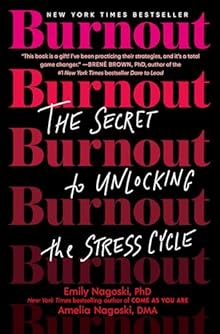
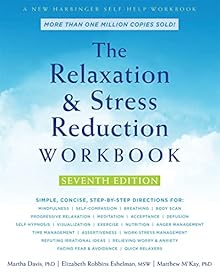
Recommended Books on Stress Management

As an Amazon Associate we earn from qualifying purchases.

Boost Your Capabilities

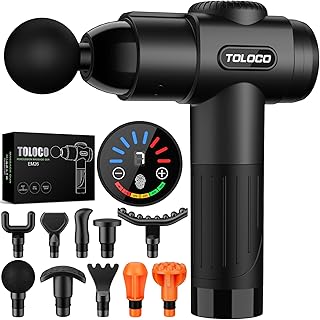
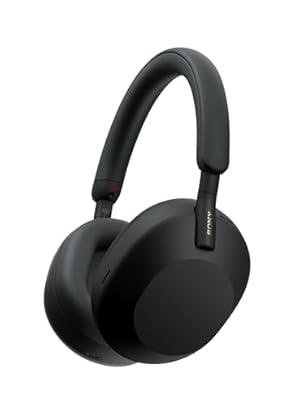
Recommended Products for Stress Management

As an Amazon Associate we earn from qualifying purchases.

Newsletter

Get Free Productivity Tips & New Tools First

Join makers and developers who care about privacy. Every issue: new tool drops, productivity hacks, and insider updates — no spam, ever.

Priority access to new tools
Unsubscribe anytime, no questions asked