Astronomic Clock

Visualize solar, lunar, and celestial time with stunning precision.

The Astronomic Clock displays real-time celestial data including sun and moon positions, rise and set times, lunar phases, and golden hour windows for any location on Earth. Photographers, astronomers, and outdoor enthusiasts use it to plan activities around natural light conditions. All calculations run locally in your browser using precise astronomical algorithms.

Calibrating orbital mechanics...
Your data stays in your browser
Was this tool useful?
Tutorial

How to Use

1
1

Grant Location Access

Allow the browser to access your location for precise local solar and celestial calculations.

2
2

Explore Times

Switch between Solar, Lunar, and Sidereal views to see different time perspectives.

3
3

Track Celestial Bodies

Check current Azimuth and Altitude for the Sun and Moon based on your position.

Guide

Complete Guide to Astronomical Timekeeping

What Is an Astronomic Clock?

An astronomic clock is a tool that tracks celestial events based on your geographic location and the current time. Unlike a standard clock, it computes the positions of the sun and moon, predicts sunrise and sunset times, tracks lunar phases from new moon to full moon, and calculates special photography windows like golden hour and blue hour. These calculations use established astronomical algorithms that account for atmospheric refraction, Earth's axial tilt, and orbital mechanics.

Why Astronomical Data Matters

Knowing precise sun and moon data is essential for many activities. Landscape photographers plan shoots around golden hour for warm, directional light. Astronomers need moonrise times and phase data to plan observation sessions. Farmers and gardeners traditionally plant by lunar cycles. Outdoor adventurers plan hikes and camps around daylight hours. Even architects use solar angle data to design buildings that maximize or minimize sunlight exposure.

Understanding Lunar Phases

The moon goes through a complete cycle approximately every 29.5 days, moving through eight distinct phases: new moon, waxing crescent, first quarter, waxing gibbous, full moon, waning gibbous, last quarter, and waning crescent. Each phase affects nighttime visibility, tidal patterns, and cultural celebrations worldwide. Understanding where the moon is in its cycle helps photographers predict moonlit landscapes and astronomers plan deep-sky observations during darker nights.

Best Practices for Using Celestial Data

Always set your location accurately for precise calculations. Remember that atmospheric conditions like clouds and haze affect actual visibility even when astronomical conditions are ideal. Plan photography sessions to arrive before golden hour starts. For astronomical observation, choose dates near new moon for the darkest skies. Check both sunrise/sunset and moonrise/moonset times when planning outdoor activities.
Examples

Worked Examples

Example: Planning a Golden Hour Shoot

Given: A photographer in New York City wants to shoot during evening golden hour on April 3, 2026.

1

Step 1: Enter the location (New York City, 40.7128° N, 74.0060° W).

2

Step 2: The tool calculates sunset at approximately 7:23 PM EDT.

3

Step 3: Golden hour begins roughly 1 hour before sunset, at 6:23 PM EDT.

Result: The photographer should arrive by 6:15 PM to set up and capture the full golden hour from 6:23 PM to 7:23 PM EDT.

Example: Checking Lunar Phase for Stargazing

Given: An amateur astronomer wants to observe deep-sky objects on April 10, 2026.

1

Step 1: Enter the date and location.

2

Step 2: The tool shows the moon is in waxing gibbous phase, about 85% illuminated.

3

Step 3: Moonrise is at 4:15 PM and moonset at 3:48 AM, meaning bright moonlight most of the night.

Result: Poor conditions for deep-sky observation. Recommend waiting until near new moon (April 24) for darker skies.

Use Cases

Practical Examples

Stargazing

Plan your landscape photography sessions by checking golden hour and blue hour times for your exact location. The astronomic clock calculates the precise window when sunlight is warm, soft, and directional — the most sought-after lighting conditions for outdoor photography. Unlike generic sunrise/sunset apps, this tool accounts for your specific coordinates and provides minute-accurate timing so you can arrive prepared and maximize your shooting window.

Photography

Track moon phases and moonrise/moonset times for astronomical observation planning. Deep-sky astrophotography and visual observation require dark skies, which means scheduling sessions around the new moon phase. This tool shows you the exact lunar illumination percentage, phase name, and rise/set times so you can plan weeks ahead for optimal observation conditions.

Gardening by the Moon

Monitor sunrise and sunset times throughout the year to optimize outdoor activities, from hiking and camping to construction and agriculture. The tool provides precise dawn and dusk calculations including civil, nautical, and astronomical twilight phases, helping you understand exactly how much usable daylight you have at any location on any date.

Frequently Asked Questions

?What is an astronomic clock?

An astronomic clock displays not just standard time, but also astronomical information such as solar time, lunar phases, sidereal time, and the positions of the Sun and Moon.

?Does the tool need my location?

Yes, granting browser location access allows the tool to calculate precise local solar and lunar times. If access is denied, it defaults to Greenwich (0,0) coordinates.

?Is this astronomic clock free and private?

Yes, it is completely free. All calculations run locally in your browser and no personal data, including your location, is sent to any server.

?What is sidereal time?

Sidereal time is based on Earth's rotation relative to distant stars rather than the Sun. It is used by astronomers to locate celestial objects with telescopes.

?Can I see sunrise and sunset times?

Yes. The tool displays sunrise, sunset, moonrise, and moonset times based on your current geographic coordinates.

?How accurate are the moon phase calculations?

The calculations use precise astronomical algorithms that account for the Moon's orbital mechanics, providing highly accurate phase, illumination, and distance data.

?What is the Equation of Time?

The Equation of Time is the difference between apparent solar time (sundial time) and mean solar time (clock time). It varies throughout the year due to Earth's elliptical orbit and axial tilt.

Help us improve

How do you like this tool?

Every tool on Kitmul is built from real user requests. Your rating and suggestions help us fix bugs, add missing features and build the tools you actually need.

Rate this tool

Tap a star to tell us how useful this tool was for you.

Suggest an improvement or report a bug

Missing a feature? Found a bug? Have an idea? Tell us and we'll look into it.

Related Tools

Recommended Reading

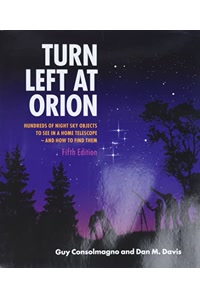
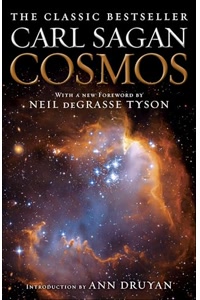
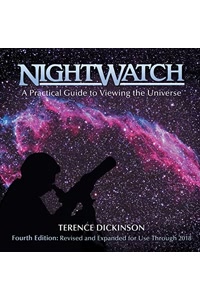
Recommended Books on Astronomy & Celestial Mechanics

As an Amazon Associate we earn from qualifying purchases.

Boost Your Capabilities

Professional Products to Boost Your Time Management

As an Amazon Associate we earn from qualifying purchases.

Newsletter

Get Free Productivity Tips & New Tools First

Join makers and developers who care about privacy. Every issue: new tool drops, productivity hacks, and insider updates — no spam, ever.

Priority access to new tools
Unsubscribe anytime, no questions asked