Image Resizer

Resize single or multiple images to custom dimensions in bulk.

The Image Resizer scales images to exact pixel dimensions or percentages while maintaining quality and aspect ratio. Whether you need specific sizes for social media, web thumbnails, print, or email, this tool processes everything locally in your browser with no uploads, no watermarks, and no limits.

Your data stays in your browser
Was this tool useful?
Tutorial

How to Resize Images

1
1

Upload your images

Drag and drop one or multiple images (JPG, PNG, WebP) to the upload zone.

2
2

Set dimensions

Enter the desired width or height. Use the 'Lock Aspect Ratio' to maintain proportions.

3
3

Visual adjustment

If using a single image, you can drag the corner of the preview to resize visually.

4
4

Resize and download

Click 'Resize All Images' to process them instantly. Download individual results or all at once.

Guide

Complete Guide to Image Resizing

What Is Image Resizing?

Image resizing changes the pixel dimensions of an image, scaling it up or down to fit specific requirements. Downscaling (reducing size) removes pixels through interpolation algorithms, while upscaling (enlarging) creates new pixels by estimating values between existing ones. Modern algorithms like Lanczos and bicubic interpolation produce high-quality results, but upscaling beyond 200% typically introduces visible softness. Always start with the largest available source image for the best results.

Why Image Resizing Matters

Every digital platform has recommended image dimensions. Instagram feed posts perform best at 1080×1080, Facebook shared images at 1200×630, email images should be under 600px wide, and web thumbnails typically range from 150×150 to 400×400 pixels. Using incorrectly sized images causes platforms to apply their own resizing algorithms, which often produce inferior results with visible compression artifacts.

Resizing vs Cropping vs Compression

Resizing changes pixel dimensions while keeping the entire image visible. Cropping removes parts of the image to change composition or aspect ratio. Compression reduces file size without changing dimensions. These three operations serve different purposes and are often combined — resize first, crop if needed, then compress for optimal web delivery.

Best Practices

Always maintain the aspect ratio when resizing to avoid distortion — our tool locks this by default. Resize to the exact dimensions required by your target platform rather than uploading oversized images. For retina/HiDPI displays, create images at 2x the display size. Use responsive images with srcset to serve different sizes to different screen widths, improving both performance and visual quality.
Examples

Worked Examples

Example: Resize a Photo for Instagram Feed

Given: A 4000×3000 photo. Target: 1080×1080 for Instagram.

1

Step 1: Upload the photo and select the 1:1 aspect ratio lock.

2

Step 2: Set width to 1080 — height automatically adjusts to 1080.

3

Step 3: Download the resized image.

Result: A 1080×1080 image perfectly sized for Instagram feed posts with no quality loss.

Example: Create Retina-Ready Web Thumbnails

Given: Product images at 2000×2000. Target: 300×300 thumbnails for a website with retina support.

1

Step 1: Resize to 600×600 (2x the display size for retina screens).

2

Step 2: Use the 600px version in an <img> tag with width=300 for retina sharpness.

3

Step 3: Compress the resized image for optimal file size.

Result: Thumbnails that appear crisp on both standard and retina displays at 300×300.

Use Cases

Common Use Cases

Social Media Posts

Resize photos to exact dimensions for social media platforms including Instagram (1080×1080), Facebook (1200×630), Twitter (1600×900), and LinkedIn (1200×627). Using platform-recommended sizes prevents automatic resizing that degrades quality and ensures your images display exactly as intended, maximizing visual impact and engagement across all networks.

Product Photos

Scale images for web thumbnails, product galleries, and responsive layouts where precise pixel dimensions determine layout quality and page load speed. Oversized images waste bandwidth and slow page loads, while undersized images appear blurry on high-DPI screens. Resizing to exact target dimensions with 2x retina variants ensures the best visual experience across all devices.

Storage Optimization

Prepare images for print by resizing to specific DPI requirements. Print media typically requires 300 DPI while web images use 72 DPI. This tool lets you calculate the correct pixel dimensions for your desired print size and resolution, ensuring sharp output from business cards to large-format posters.

Frequently Asked Questions

?What is the difference between resizing and compressing?

Resizing changes pixel dimensions (width/height). Compressing reduces file size without changing dimensions. Both improve web performance but serve different purposes. Resize to target dimensions first, then compress.

?Is this image resizer free?

Yes, completely free with no registration, watermarks, or limits.

?Does this tool upload my images?

No. All resizing happens locally in your browser. Your images never leave your device.

?Will resizing reduce image quality?

Downscaling (making smaller) preserves quality well. Upscaling beyond 200% introduces softness because the algorithm must create new pixel data. Always start with the largest source available.

?Can I maintain the aspect ratio?

Yes, aspect ratio lock is enabled by default. Change either width or height and the other adjusts automatically. You can unlock the ratio for custom proportions.

?What is the best image size for websites?

It depends on usage: hero images at 1920×1080, content images at 800-1200px wide, thumbnails at 300-400px. Always create 2x versions for retina displays.

?Can I resize to a percentage?

Yes. Enter a percentage value (e.g., 50%) and the tool calculates the new pixel dimensions automatically while maintaining the aspect ratio.

?What image formats are supported?

JPEG, PNG, WebP, GIF, and BMP. The resized image exports in the same format as the original.

Help us improve

How do you like this tool?

Every tool on Kitmul is built from real user requests. Your rating and suggestions help us fix bugs, add missing features and build the tools you actually need.

Rate this tool

Tap a star to tell us how useful this tool was for you.

Suggest an improvement or report a bug

Missing a feature? Found a bug? Have an idea? Tell us and we'll look into it.

Related Tools

Recommended Reading

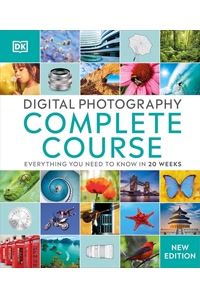
Recommended Books on Image Processing & Digital Graphics

As an Amazon Associate we earn from qualifying purchases.

Boost Your Capabilities

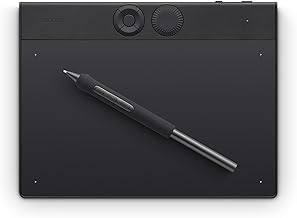
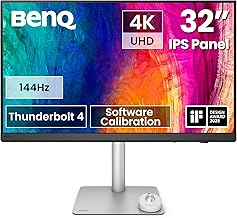
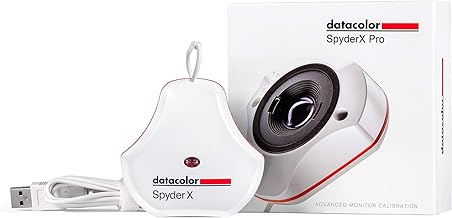
Professional Products to Boost Your Design Skills

As an Amazon Associate we earn from qualifying purchases.

Newsletter

Get Free Productivity Tips & New Tools First

Join makers and developers who care about privacy. Every issue: new tool drops, productivity hacks, and insider updates — no spam, ever.

Priority access to new tools
Unsubscribe anytime, no questions asked