Keto Macro Calculator

Calculate your ideal ketogenic macronutrient ratios based on your TDEE, keto variant, and fitness goals.

The Keto Macro Calculator computes personalized fat, protein, and net carb targets for four ketogenic diet variants: Standard (SKD), High-Protein (HPKD), Targeted (TKD), and Cyclical (CKD). It estimates your TDEE from the Mifflin-St Jeor equation, then splits calories according to your chosen keto phase; whether you are adapting, cutting fat, maintaining, or fueling performance. Workout and rest day adjustments, fiber tracking, and net-carb breakdowns are included to keep you in ketosis with precision.

Loading...
Your data stays in your browser
Tutorial

How to Use the Keto Macro Calculator

1
1

Enter Your Stats or TDEE

Input your weight, height, age, and gender, or enter a known TDEE value directly for faster setup.

2
2

Choose Keto Variant and Phase

Select from Standard, High-Protein, Targeted, or Cyclical keto and pick your current diet phase.

3
3

Review Your Macro Breakdown

View grams and percentages for fat, protein, and net carbs. Toggle between rest and workout days.

Guide

Complete Guide to Keto Macronutrients

How Ketosis Works

When carbohydrate intake drops below roughly 20-50 grams per day, the liver converts fatty acids into ketone bodies; primarily beta-hydroxybutyrate, acetoacetate, and acetone. These ketones replace glucose as the primary fuel for the brain and muscles. The metabolic switch typically occurs within 24-72 hours of carbohydrate restriction, though full fat adaptation, where athletic performance returns to baseline, can take four to eight weeks.

The Four Keto Variants Explained

Standard Keto (SKD) maintains a constant 70/25/5 fat-protein-carb ratio. High-Protein Keto (HPKD) raises protein to 30% for those who train with weights. Targeted Keto (TKD) adds 20-50 grams of fast-digesting carbs around workouts to support glycolytic exercise. Cyclical Keto (CKD) alternates five strict keto days with one or two higher-carb refeed days, often favored by strength athletes and bodybuilders.

Matching Macros to Your Phase

During the adaptation phase, very low carbs and moderate protein ease the transition into ketosis. In the fat-loss phase, a caloric deficit of 15-25% below TDEE accelerates lipolysis while protein stays high enough to protect lean mass. The maintenance phase matches calories to TDEE. The performance phase nudges calories slightly above TDEE and may increase peri-workout carbs for athletes pursuing strength or endurance gains.

Net Carbs, Fiber, and Staying in Ketosis

Tracking net carbs instead of total carbs lets you eat fiber-rich vegetables without worrying about being kicked out of ketosis. Soluble fiber feeds beneficial gut bacteria, while insoluble fiber supports digestive regularity. Most ketogenic guidelines recommend 20-25 grams of net carbs per day during strict phases and up to 50 grams during maintenance. A ketone meter or urine strips can confirm you remain in the target 0.5-3.0 mmol/L range.
Examples

Worked Examples

Example: Standard Keto Fat-Loss Macros

Given: Male, 85 kg, 178 cm, 32 years, moderately active. Goal: fat loss with SKD.

1

Step 1: Mifflin-St Jeor BMR = 10x85 + 6.25x178 - 5x32 + 5 = 1807.5 kcal.

2

Step 2: TDEE = 1807.5 x 1.55 (moderate) = 2802 kcal.

3

Step 3: Apply 20% deficit for fat loss: 2802 x 0.80 = 2242 kcal target.

4

Step 4: SKD split (70/25/5): Fat = 174 g, Protein = 140 g, Net Carbs = 28 g.

Result: 2242 kcal/day with 174 g fat, 140 g protein, 28 g net carbs.

Example: High-Protein Keto Workout Day

Given: Female, 65 kg, 168 cm, 28 years, very active. Goal: muscle retention with HPKD.

1

Step 1: Mifflin-St Jeor BMR = 10x65 + 6.25x168 - 5x28 - 161 = 1399 kcal.

2

Step 2: TDEE = 1399 x 1.725 (very active) = 2413 kcal.

3

Step 3: Workout day at maintenance: 2413 kcal.

4

Step 4: HPKD split (60/30/10): Fat = 161 g, Protein = 181 g, Net Carbs = 60 g.

Result: 2413 kcal/day with 161 g fat, 181 g protein, 60 g net carbs on workout days.

Use Cases

Typical Use Cases

Starting Standard Keto for Weight Loss

A beginner enters their stats to get adaptation-phase macros with roughly 70% fat, 25% protein, and 5% carbs. The calculator provides gram targets and a calorie total, making it easy to plan meals during the first four weeks when the body transitions into ketosis and fat adaptation.

High-Protein Keto for Muscle Retention

A gym-goer who wants to preserve lean mass selects the High-Protein variant. The tool raises protein to around 30% while keeping carbs under 10%, ensuring adequate amino acids for muscle repair. Workout-day adjustments add slightly more calories to match increased energy expenditure from resistance training.

Cyclical Keto for Athletes

An endurance athlete toggles to CKD to plan a five-day keto window followed by two higher-carb refeed days. The calculator shows both rest-day and workout-day macro splits so glycogen stores are replenished around heavy training sessions without losing the metabolic benefits of sustained ketosis.

Frequently Asked Questions

?What is the difference between net carbs and total carbs?

Net carbs equal total carbs minus fiber and certain sugar alcohols. Fiber does not raise blood sugar, so keto dieters track net carbs to stay in ketosis.

?Which keto variant is best for beginners?

Standard Keto (SKD) is recommended for beginners. It keeps carbs very low and simplifies meal planning while your body adapts to burning fat for fuel.

?How long does keto adaptation take?

Most people reach nutritional ketosis within one to three weeks. Full fat adaptation, where performance normalizes, may take four to eight weeks of consistent adherence.

?Do I need different macros on rest days and workout days?

Yes. Workout days generally require more calories and, for TKD/CKD variants, additional carbs around training to support glycogen replenishment and recovery.

?How much protein is too much on keto?

Moderate protein (20-30% of calories) rarely disrupts ketosis. The concern about gluconeogenesis is overstated; your body regulates it based on demand, not protein intake.

?Is this keto calculator free to use?

Yes, completely free with no registration, no ads, and unlimited use. Recalculate your macros whenever your weight, goals, or activity level changes.

?Is my health data private and secure?

Absolutely. All calculations run entirely in your browser. No personal data, weight, or calorie figures are sent to any server or stored anywhere.

?Can I use this calculator if I have diabetes?

The tool provides general macro estimates. If you have diabetes or any medical condition, consult your doctor before starting a ketogenic diet to adjust safely.

Related Tools

Help us improve

How do you like this tool?

Every tool on Kitmul is built from real user requests. Your rating and suggestions help us fix bugs, add missing features and build the tools you actually need.

Rate this tool

Tap a star to tell us how useful this tool was for you.

Suggest an improvement or report a bug

Missing a feature? Found a bug? Have an idea? Tell us and we'll look into it.

Recommended Reading

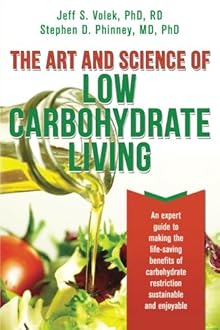
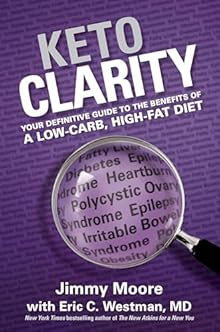
Recommended Books on Keto, Nutrition & Weight Management

As an Amazon Associate we earn from qualifying purchases.

Boost Your Capabilities

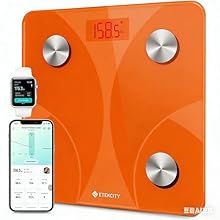
Recommended Scales for Keto Tracking

As an Amazon Associate we earn from qualifying purchases.

Newsletter

Get Free Productivity Tips & New Tools First

Join makers and developers who care about privacy. Every issue: new tool drops, productivity hacks, and insider updates — no spam, ever.

Priority access to new tools
Unsubscribe anytime, no questions asked