Body Fat Calculator

Calculate your body fat percentage using the U.S. Navy method with metric or imperial units.

The Body Fat Calculator uses the U.S. Navy circumference method to estimate your body fat percentage from simple body measurements. Enter your height, waist, neck, and hip circumference (women only) in metric or imperial units. The tool displays your body fat percentage with a color-coded category indicator — all computed locally in your browser for complete privacy.

Loading...
Your data stays in your browser
Tutorial

How to Use the Body Fat Calculator

1
1

Select Your Gender

Choose male or female. Women require an additional hip measurement for the Navy formula calculation to be accurate.

2
2

Enter Your Measurements

Input your height, waist circumference, and neck circumference. Toggle between metric centimeters and imperial inches as needed.

3
3

Read Your Results

View your estimated body fat percentage and category. The color-coded bar shows where you fall on the body fat spectrum.

Guide

Complete Guide to Body Fat Measurement

The U.S. Navy Method Explained

The U.S. Navy body fat formula uses logarithmic equations with circumference measurements to estimate body fat percentage. For men, it uses waist, neck, and height. For women, it adds hip circumference. The formula was developed by Hodgdon and Beckett at the Naval Health Research Center and has been validated against hydrostatic weighing with a standard error of approximately 3.5%.

Body Fat Categories and Health Implications

Essential fat (2-5% men, 10-13% women) is the minimum required for normal physiological function. Athletes range 6-13% for men and 14-20% for women. Fitness level is 14-17% men and 21-24% women. Average is 18-24% men and 25-31% women. Above these ranges is classified as obese and carries increased health risks including cardiovascular disease and metabolic syndrome.

Proper Measurement Technique

Accurate measurements are critical for reliable results. Use a flexible tape measure pulled snug but not compressing the skin. Measure the neck below the larynx with the tape angled slightly downward at the front. Measure the waist at the narrowest horizontal circumference, usually at the navel. Measure hips at the widest horizontal circumference around the buttocks. Take each measurement twice.

Limitations and Alternatives

Circumference methods have limitations: they may underestimate body fat in muscular individuals and overestimate in those with narrow waists but high visceral fat. More precise alternatives include DEXA scans (dual-energy X-ray absorptiometry), hydrostatic weighing, and air displacement plethysmography (BodPod). However, the Navy method remains valuable for its accessibility, zero cost, and repeatability.
Examples

Worked Examples

Example: Male Body Fat Calculation

Given: Male, Height = 180 cm, Waist = 85 cm, Neck = 38 cm.

1

Step 1: Calculate (waist - neck): 85 - 38 = 47 cm.

2

Step 2: log10(47) = 1.6721, log10(180) = 2.2553.

3

Step 3: Apply formula: 495 / (1.0324 - 0.19077 × 1.6721 + 0.15456 × 2.2553) - 450.

4

Step 4: 495 / (1.0324 - 0.3191 + 0.3487) - 450 = 495 / 1.0620 - 450 = 16.1%.

Result: Body Fat = ~16.1% — Fitness category for males.

Example: Female Body Fat Calculation

Given: Female, Height = 165 cm, Waist = 72 cm, Neck = 33 cm, Hip = 98 cm.

1

Step 1: Calculate (waist + hip - neck): 72 + 98 - 33 = 137 cm.

2

Step 2: log10(137) = 2.1367, log10(165) = 2.2175.

3

Step 3: Apply formula: 495 / (1.29579 - 0.35004 × 2.1367 + 0.22100 × 2.2175) - 450.

4

Step 4: 495 / (1.29579 - 0.7479 + 0.4901) - 450 = 495 / 1.0380 - 450 = 26.9%.

Result: Body Fat = ~26.9% — Average category for females.

Use Cases

Typical Use Cases

Tracking Fitness Progress

A gym member measures their circumferences monthly to track body fat changes over time. Unlike scale weight alone, body fat percentage reveals whether weight loss comes from fat or muscle, providing a more meaningful metric for evaluating the effectiveness of their training program.

Military and Law Enforcement Standards

The U.S. Navy method was originally developed for military body composition assessments. Service members and law enforcement candidates use this exact formula to prepare for fitness standards testing, ensuring their measurements fall within required body fat percentage ranges for their age and gender.

Setting Realistic Health Goals

An individual starting a fitness journey uses the calculator to establish a baseline body fat percentage. Knowing their starting category helps them set achievable goals such as moving from average to fitness range, and track progress with periodic remeasurements rather than relying solely on weight.

Frequently Asked Questions

?How accurate is the U.S. Navy body fat method?

The Navy method is typically within 3-4% of hydrostatic weighing results. It is one of the most accessible and validated circumference-based estimation techniques available.

?Where exactly should I measure my waist?

Measure your waist at the narrowest point, typically at the navel level. Stand relaxed with normal breathing and ensure the tape is horizontal and snug.

?Why is hip measurement only needed for women?

The Navy formula accounts for gender-specific fat distribution patterns. Women typically store more fat around the hips, so this measurement improves estimation accuracy.

?What is a healthy body fat percentage?

For men, 14-17% is considered fitness level and 18-24% average. For women, 21-24% is fitness level and 25-31% average. Athletes are typically lower.

?How often should I measure my body fat?

Monthly measurements provide the best balance between tracking progress and allowing enough time for meaningful changes. Always measure at the same time of day.

?Is this body fat calculator free to use?

Yes, completely free with no registration, no ads, and no usage limits. Use it as often as you need to track your body composition progress.

?Is my health data private and secure?

Absolutely. All calculations run entirely in your browser. No measurements, body fat percentages, or personal data are sent to any server or stored.

?Can BMI replace body fat percentage?

BMI uses only height and weight, so it cannot distinguish muscle from fat. Body fat percentage gives a more accurate picture of actual body composition.

Related Tools

Help us improve

How do you like this tool?

Every tool on Kitmul is built from real user requests. Your rating and suggestions help us fix bugs, add missing features and build the tools you actually need.

Rate this tool

Tap a star to tell us how useful this tool was for you.

Suggest an improvement or report a bug

Missing a feature? Found a bug? Have an idea? Tell us and we'll look into it.

Recommended Reading

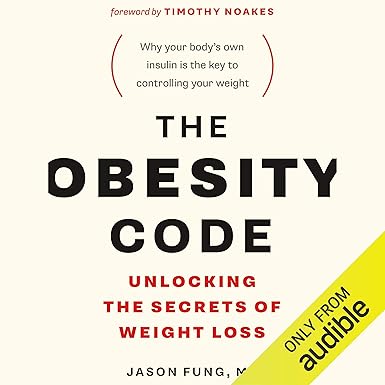
Recommended Books on Body Composition, Nutrition and Fat Loss

As an Amazon Associate we earn from qualifying purchases.

Boost Your Capabilities

Recommended Body Composition Scales

As an Amazon Associate we earn from qualifying purchases.

Newsletter

Get Free Productivity Tips & New Tools First

Join makers and developers who care about privacy. Every issue: new tool drops, productivity hacks, and insider updates — no spam, ever.

Priority access to new tools
Unsubscribe anytime, no questions asked