What is WAV?
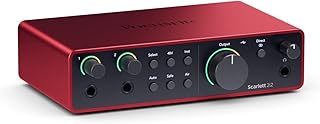
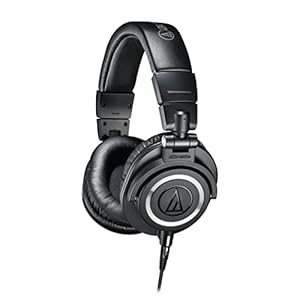
Created by Microsoft and IBM in 1991, WAV stores uncompressed PCM audio data and is the standard format for professional audio production. It preserves every sample of the original recording without any compression artifacts. WAV files are large (about 10 MB per minute for CD quality) but offer perfect fidelity, making them the preferred choice for recording studios, mastering engineers, and broadcast professionals.
What is AAC?
Standardized in 1997, AAC was designed as the successor to MP3 and delivers better sound quality at equivalent bitrates. It is the default audio codec for YouTube, Spotify, Apple Music, and most mobile platforms. AAC supports a wider range of sample rates and channels than MP3 and is more efficient at low bitrates, making it ideal for streaming and mobile applications.
Why Convert WAV to AAC?
Converting WAV to AAC is ideal for creating efficient, high-quality compressed audio for streaming, mobile apps, and video production. AAC is more efficient than MP3, delivering better quality at lower bitrates, and is the standard audio codec for YouTube, Instagram, TikTok, and most video containers (MP4). This conversion is perfect when you need broadcast-quality compressed audio from your studio WAV recordings.
Key Differences Between WAV and AAC
WAV (Waveform Audio File Format) is a lossless format, while AAC (Advanced Audio Coding) is a lossy format. WAV files are typically larger but preserve full audio quality, whereas AAC files are more compact with optimized encoding. The choice between them depends on your priority: storage efficiency vs. perfect quality. Both formats serve important roles in audio workflows, and converting between them is a common production task.