SVG to WebP Converter

Convert SVG images to WebP format online for free. No sign-up required. Fast and easy SVG to WebP conversion.

Transform SVG vector graphics into WebP raster format for optimal web performance. WebP provides the smallest file sizes for rasterized vector art while maintaining excellent quality, perfect for modern web applications and CDN delivery.

Your data stays in your browser
Was this tool useful?
Tutorial

How to Convert SVG to WebP

1
1

Upload your SVG images

Drag and drop or click to select one or multiple SVG image files from your device.

2
2

Confirm WebP as output format

The output format is set to WebP. You can change it using the format dropdown if needed.

3
3

Download your WebP images

Click Convert All and download your converted WebP images. Each file is processed individually.

Guide

Complete Guide to SVG to WebP Conversion

What is SVG?

SVG (Scalable Vector Graphics) is a XML-based vector format with infinite scalability image format created in 2001 by W3C. It is best suited for icons, logos, illustrations, and any graphics that need to scale to any size. SVG has become one of the most widely used image formats on the internet and in professional workflows due to its reliable quality and broad compatibility.

What is WebP?

WebP (WebP Image Format) is a modern format supporting both lossy and lossless compression with transparency image format developed in 2010 by Google. It excels at web performance, modern websites, and applications requiring small file sizes. WebP is supported across virtually all platforms, devices, and software applications, making it a versatile choice for many use cases.

Why Convert SVG to WebP?

Converting SVG to WebP is useful when you need to optimize images for different platforms, reduce file sizes for faster loading, ensure compatibility with specific software or devices, or prepare images for particular workflows like printing, web publishing, or sharing via email and social media.

Key Differences Between SVG and WebP

SVG uses XML-based vector format with infinite scalability, while WebP uses modern format supporting both lossy and lossless compression with transparency. SVG is best for icons, logos, illustrations, and any graphics that need to scale to any size, whereas WebP is best for web performance, modern websites, and applications requiring small file sizes. The choice between them depends on your specific needs: quality vs. file size, transparency support, animation capabilities, and target platform requirements.
Examples

SVG to WebP Conversion Examples

Example: Converting SVG Icons to WebP for a Web Application

A web developer has 50+ SVG icons but needs rasterized WebP versions as fallbacks for older browsers that don't support inline SVG rendering.

1

Upload SVG icon files in batch

2

Select WebP as the output format

3

Convert at multiple sizes for responsive design

4

Implement WebP fallbacks with picture element

Icon set now has WebP fallback versions that are 40% smaller than PNG alternatives, ensuring compatibility with older browsers while maintaining performance.

Example: Generating WebP Thumbnails from SVG Illustrations

An illustration marketplace needs to generate WebP thumbnail previews of SVG artwork for fast-loading gallery pages on mobile devices.

1

Upload SVG illustration files

2

Select WebP as the output format

3

Convert at thumbnail resolution

4

Deploy thumbnails to the gallery CDN

Gallery thumbnails in WebP format load instantly on mobile devices, reducing data usage by 35% compared to PNG thumbnails.

Use Cases

SVG to WebP Use Cases

Optimize SVG for the web

Convert PNG images to JPEG for dramatically smaller file sizes when transparency is not needed. PNG files of photographs can be 3-5x larger than equivalent JPEG files. This conversion is essential for web performance optimization, email attachments, and social media uploads where file size limits apply and transparency is unnecessary.

Share SVG images easily

Transform images to WebP format for modern web optimization, achieving 25-35% better compression than JPEG while maintaining equivalent visual quality. WebP is supported by all major browsers and is recommended by Google's PageSpeed Insights for improving Core Web Vitals scores and overall page load performance.

Edit SVG in design software

Convert proprietary formats like HEIC (iPhone) or AVIF to universally compatible JPEG or PNG for sharing across platforms. Many devices and applications cannot open newer formats, making conversion essential for collaboration, email sharing, and uploading to services that require traditional image formats.

SVG to WebP — Frequently Asked Questions

?What image formats can I convert between?

The tool supports conversion between JPEG, PNG, WebP, GIF, BMP, TIFF, and more. You can convert from any supported format to any other with full control over quality settings.

?Is this format converter free?

Yes, completely free with no registration, watermarks, file limits, or usage restrictions. Convert as many images as you need.

?Does conversion upload my images to a server?

No. All format conversion happens locally in your browser using JavaScript. Your images never leave your device, ensuring complete privacy.

?Does converting formats reduce image quality?

Converting between lossless formats (PNG ↔ WebP lossless) preserves all quality. Converting to lossy formats (JPEG, WebP lossy) involves some quality trade-off, which you control via the quality slider.

?Which format has the smallest file size?

For photographs, WebP typically produces the smallest files at equivalent quality. For simple graphics with few colors, PNG with compression or WebP lossless offers the best results.

?Can I convert images with transparency?

Yes. When converting from PNG or WebP with transparency, choose an output format that supports alpha channels (PNG, WebP). Converting to JPEG will flatten transparency to a white or black background.

?What is the difference between JPEG and WebP?

WebP is a modern format offering 25-35% better compression than JPEG at equivalent visual quality, plus it supports transparency and animation — features JPEG lacks.

?Can I batch convert multiple images?

The tool processes one image at a time for maximum quality control. Upload each image separately to convert and verify the output before proceeding.

Help us improve

How do you like this tool?

Every tool on Kitmul is built from real user requests. Your rating and suggestions help us fix bugs, add missing features and build the tools you actually need.

Rate this tool

Tap a star to tell us how useful this tool was for you.

Suggest an improvement or report a bug

Missing a feature? Found a bug? Have an idea? Tell us and we'll look into it.

Related Tools

Recommended Reading

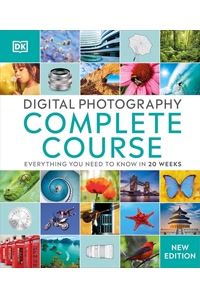
Recommended Books on Digital Image Formats & Processing

As an Amazon Associate we earn from qualifying purchases.

Boost Your Capabilities

Professional Products to Boost Your Design Skills

As an Amazon Associate we earn from qualifying purchases.

Newsletter

Get Free Productivity Tips & New Tools First

Join makers and developers who care about privacy. Every issue: new tool drops, productivity hacks, and insider updates — no spam, ever.

Priority access to new tools
Unsubscribe anytime, no questions asked