Net Worth Calculator
Calculate your net worth by adding up your assets and subtracting your liabilities. Get a clear picture of your financial health.
Recommended Books on Wealth Building & Net Worth

The Millionaire Next Door
Thomas Stanley

Rich Dad Poor Dad
Robert Kiyosaki

The Psychology of Money
Morgan Housel
As an Amazon Associate we earn from qualifying purchases.
How do you like this tool?
How to use
Add your assets
List all your assets including cash savings, investments, real estate, vehicles, and any other valuable possessions. Enter a name and dollar value for each item.
Add your liabilities
List all your debts including mortgage, student loans, credit card balances, car loans, and any other outstanding debts. Enter a name and dollar value for each.
Review your net worth
The calculator automatically computes your total assets, total liabilities, and net worth (assets minus liabilities). A positive net worth appears in green, negative in red.
Track over time
Revisit the calculator monthly or quarterly to track changes in your net worth. Increasing net worth over time is a key indicator of improving financial health.
Use cases
Personal finance checkup
"Get a snapshot of your overall financial position by listing all your bank accounts, investments, property, and debts in one place."
Mortgage planning
"Understand how a new mortgage would affect your net worth to make informed decisions about home buying."
Retirement planning
"Track your net worth growth over time to ensure you're on track for retirement savings goals."
Debt payoff strategy
"Visualize how paying down specific debts improves your net worth and prioritize which debts to tackle first."
Professional Financial Calculators

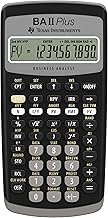
BA II Plus Financial Calculator, Black Medium
Texas

12C Financial Calculator – 120+ Functions: TVM, NPV, IRR, Amortization, Bond Calculations, Programmable Keys – RPN Deskt
HP

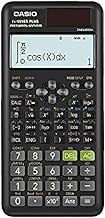
FX-991ES Plus-2nd Edition Scientific Calculator
Casio
As an Amazon Associate we earn from qualifying purchases.
Frequently Asked Questions
?What is net worth?
Net worth is the difference between your total assets (what you own) and your total liabilities (what you owe). It provides a single number that summarizes your overall financial position.
?How do I calculate my net worth?
Add up the value of everything you own (savings, investments, property, vehicles, etc.) and subtract everything you owe (mortgage, loans, credit card debt, etc.). The result is your net worth.
?What counts as an asset?
Assets include cash and savings accounts, investment portfolios (stocks, bonds, mutual funds), real estate, vehicles, retirement accounts, valuable personal property, and any other items of monetary value.
?What counts as a liability?
Liabilities include your mortgage balance, student loans, credit card debt, car loans, personal loans, medical debt, and any other money you owe to creditors.
?Is a negative net worth bad?
A negative net worth means you owe more than you own. This is common for young adults with student loans or new homeowners. The key is to track it over time and ensure it trends upward.
?How often should I calculate my net worth?
Most financial advisors recommend calculating your net worth monthly or quarterly. This helps you track progress toward your financial goals and spot potential problems early.
?Is my financial data private and secure?
Yes. This calculator runs 100% in your browser. Your financial information is never sent to any server, stored in any database, or shared with any third party. All calculations happen locally on your device.
?Is this tool free to use?
Yes, the Net Worth Calculator is completely free to use with no limits, no sign-up required, and no hidden fees. Use it as often as you need.
?Should I include my home's value as an asset?
Yes, but use the current market value, not the purchase price. You should also include your mortgage as a liability. The difference between the two represents your home equity.
?What is a good net worth for my age?
Net worth benchmarks vary widely based on income, location, and life stage. A common rule of thumb is that by age 30, your net worth should equal your annual salary. By 40, it should be about twice your salary.
Related Tools
Budget Planner (50/30/20)
Plan your monthly budget using the 50/30/20 rule with customizable categories and expense tracking.
Burn Rate / Runway Calculator
Calculate your startup's monthly burn rate, net burn, and cash runway with month-by-month projections.
Cash Change Calculator
Calculate the exact change to return in bills and coins for any currency.