What Is the FIRE Number?
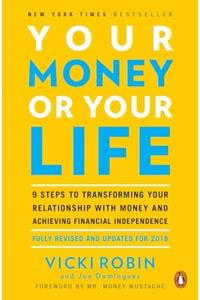
Your FIRE number is the total amount of invested assets you need to cover your annual living expenses indefinitely without relying on employment income. It is calculated by dividing your annual expenses by your safe withdrawal rate. For example, if you spend $40,000 per year and use a 4% withdrawal rate, your FIRE number is $1,000,000. Once your investment portfolio reaches this threshold, you can theoretically live off investment returns and periodic withdrawals for the rest of your life. The concept originated from the 1992 book Your Money or Your Life by Vicki Robin and has grown into a global movement of people pursuing financial freedom.
The 4% Rule and Safe Withdrawal Rates
The 4% rule comes from the landmark Trinity Study (1998), which analyzed historical stock and bond market data from 1926 to 1995. The study found that a portfolio of 50% stocks and 50% bonds, with an initial withdrawal of 4% adjusted annually for inflation, had a 95% success rate of lasting at least 30 years. More recent research by Wade Pfau and others suggests that a 3.5% withdrawal rate may be more appropriate given current market conditions and longer life expectancies. This calculator lets you adjust the withdrawal rate so you can model conservative (3%) to aggressive (5%) scenarios.
Types of FIRE
The FIRE movement encompasses several variations. Lean FIRE targets minimal expenses (typically under $40,000/year), requiring a smaller portfolio but demanding a frugal lifestyle. Regular FIRE aims for middle-class spending levels ($40,000 to $100,000/year). Fat FIRE targets a comfortable or luxurious retirement ($100,000+/year), requiring a much larger portfolio. Coast FIRE means having enough saved that compound growth alone will reach your FIRE number by traditional retirement age, allowing you to stop saving aggressively. Barista FIRE involves semi-retirement with part-time work covering daily expenses while investments grow.
Best Practices for Reaching FIRE
Maximize your savings rate, which is the single most important variable. A 50% savings rate dramatically shortens the time to FIRE compared to 20%. Invest in low-cost index funds to capture broad market returns while minimizing fees. Reduce your largest expenses: housing, transportation, and food typically account for 60-70% of spending. Build multiple income streams through side hustles, freelancing, or rental property. Use this calculator regularly to track your progress and adjust your plan as life circumstances change. Start as early as possible to harness the full power of compound interest.