The Science Behind Dog Aging
Dogs age at a fundamentally different rate than humans. In their first year, puppies undergo rapid development equivalent to roughly fifteen human years. By age two, they have reached full physical maturity, equivalent to a twenty-four-year-old human. After that, aging slows but varies significantly by breed size, with larger dogs aging considerably faster.
Why Size Matters in Dog Aging
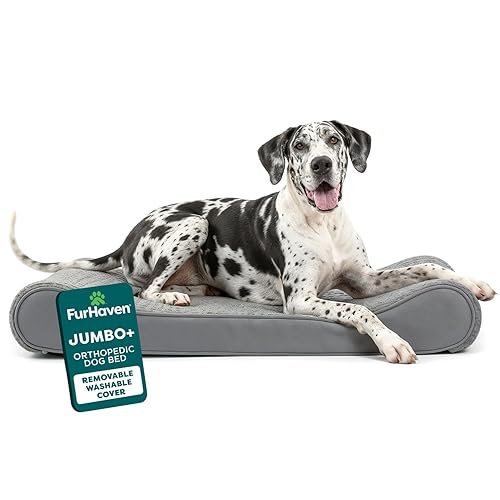
Veterinary research has established that larger dogs age more rapidly than smaller ones after reaching maturity. A Great Dane at age seven is roughly equivalent to a sixty-six-year-old human, while a Chihuahua of the same age is only about forty-four in human years. This size disparity explains why giant breeds typically live eight to ten years while small breeds may reach fifteen to twenty years.
Understanding Dog Life Stages
Dogs progress through six recognized life stages. The puppy stage covers birth to roughly six months. Junior stage runs from six months to about two years. Adult stage is two to approximately six years. Mature stage spans six to roughly nine years. Senior stage covers nine to approximately twelve years. The geriatric stage begins after twelve years. Each stage requires different nutritional approaches and veterinary attention.
Caring for Dogs at Every Age
Knowing your dog's equivalent human age helps you provide appropriate care. Puppies need frequent meals, socialization, and vaccinations. Adult dogs benefit from regular exercise and annual checkups. Senior dogs require more frequent veterinary visits, joint support supplements, softer food options, and adapted exercise routines. Understanding the age equivalence empowers you to make better decisions for your companion.